

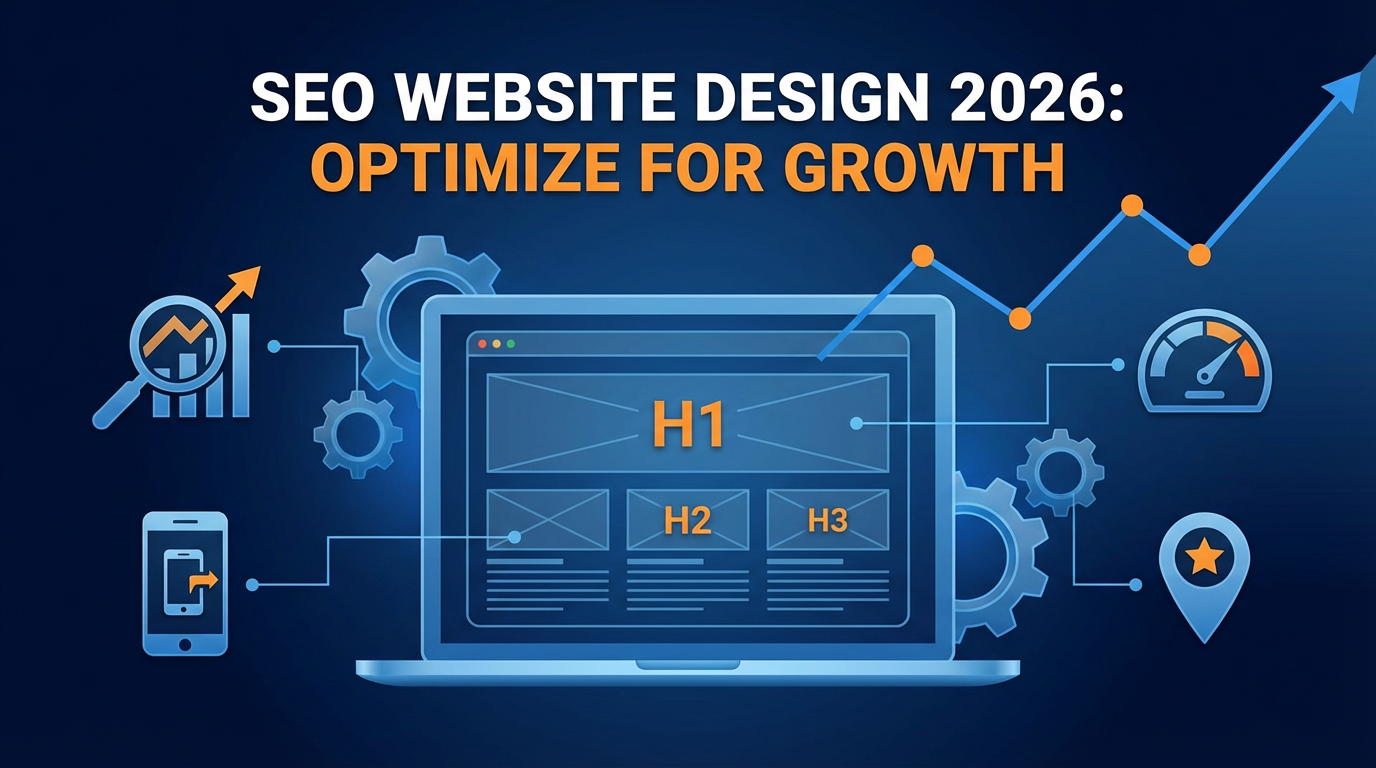
Complete Guide to Design, Development & Google My Business Optimization
Building a website without proper SEO is like opening a store in a hidden alley—no one finds you. In 2026, over 90% of online experiences begin with search engines, yet 96.55% of web pages receive zero Google traffic. Whether you're launching a one-page portfolio, developing an ecommerce empire, or optimizing your local business presence, understanding SEO-friendly website design isn't optional—it's survival.
🎯 Quick Answer: What Makes a Website SEO-Friendly?
An SEO-friendly website combines fast loading speeds (under 3 seconds), mobile-responsive design, clean URL structure, proper heading tag hierarchy (H1-H6), optimized images, strategic keyword placement, and quality content. For local businesses, a fully optimized Google Business Profile amplifies visibility by 70%. Technical SEO (Core Web Vitals, schema markup, XML sitemaps) plus user experience creates the foundation for sustainable organic traffic.
📑 Table of Contents
- Understanding SEO-Friendly Website Design
- Core Elements of SEO-Friendly Website Development
- The Science Behind Heading Tags (H1-H6)
- One Page Website SEO: Special Considerations
- Building an SEO-Friendly Ecommerce Website
- Google My Business Optimization Strategy
- Technical SEO Checklist for 2026
- Measuring Success: KPIs That Matter
- Common SEO Mistakes to Avoid
- FAQs
1. Understanding SEO-Friendly Website Design
SEO-friendly website design goes far beyond aesthetics—it's the architectural blueprint that determines whether search engines can crawl, understand, and rank your content. Think of it as building a library: without proper organization (categories, labels, logical structure), even the best books remain undiscovered.
What Makes Design "SEO-Friendly"?
At its core, SEO-friendly design balances three critical stakeholders:
- Search Engine Crawlers: Bots that need clean code, logical structure, and clear signals
- Human Visitors: Users demanding fast, intuitive, accessible experiences
- Business Goals: Conversion pathways aligned with search intent
According to Wikipedia's definition of Search Engine Optimization, the process of improving quality and quantity of website traffic requires both technical precision and user-centric thinking.
2026 Design Realities: Key Statistics
| Metric | Impact | Source |
|---|---|---|
| 53% of traffic | Comes from organic search | Backlinko 2026 |
| 40% user abandonment | Sites loading over 3 seconds | Google PageSpeed Insights |
| 46% of searches | Seek local information | BrightLocal |
| 86.07% of marketers | Implemented AI in SEO strategy | DemandSage |
Key Insight: These numbers reveal a fundamental truth: speed, relevance, and accessibility determine survival in the 2026 digital landscape.
2. Core Elements of SEO-Friendly Website Development

SEO-friendly website development requires a foundation built on technical excellence. Here's what separates amateurs from professionals:
A. Site Architecture & URL Structure
Your URL structure communicates hierarchy to both users and search engines.
Bad Example:
yoursite.com/page?id=12345&category=products&utm=xyz
Good Example:
yoursite.com/seo-friendly-website-design
Best Practices:
- Use descriptive, keyword-rich URLs
- Keep URLs under 60 characters
- Implement breadcrumb navigation
- Create logical category hierarchies
- Use hyphens (not underscores) to separate words
B. Mobile-First Responsive Design
With mobile devices generating 58% of web traffic, Google's mobile-first indexing means your mobile version IS your primary version. Test responsiveness across:
- iPhone SE (320px width)
- Standard smartphones (375-414px)
- Tablets (768-1024px)
- Desktops (1280px+)
Pro Tip: Use Google's Mobile-Friendly Test to audit your site's mobile experience.
C. Page Speed Optimization (Core Web Vitals)
Core Web Vitals became ranking factors in 2021 and remain critical in 2026:
⚡ LCP (Largest Contentful Paint)
Target: < 2.5 seconds
Measures loading performance of the main content element.
⚡ FID (First Input Delay)
Target: < 100 milliseconds
Measures interactivity and responsiveness.
⚡ CLS (Cumulative Layout Shift)
Target: < 0.1
Measures visual stability during page load.
Optimization Techniques:
- Compress images using WebP format
- Implement lazy loading for below-fold content
- Minimize JavaScript execution
- Use Content Delivery Networks (CDNs)
- Enable browser caching
- Reduce server response time (TTFB under 200ms)
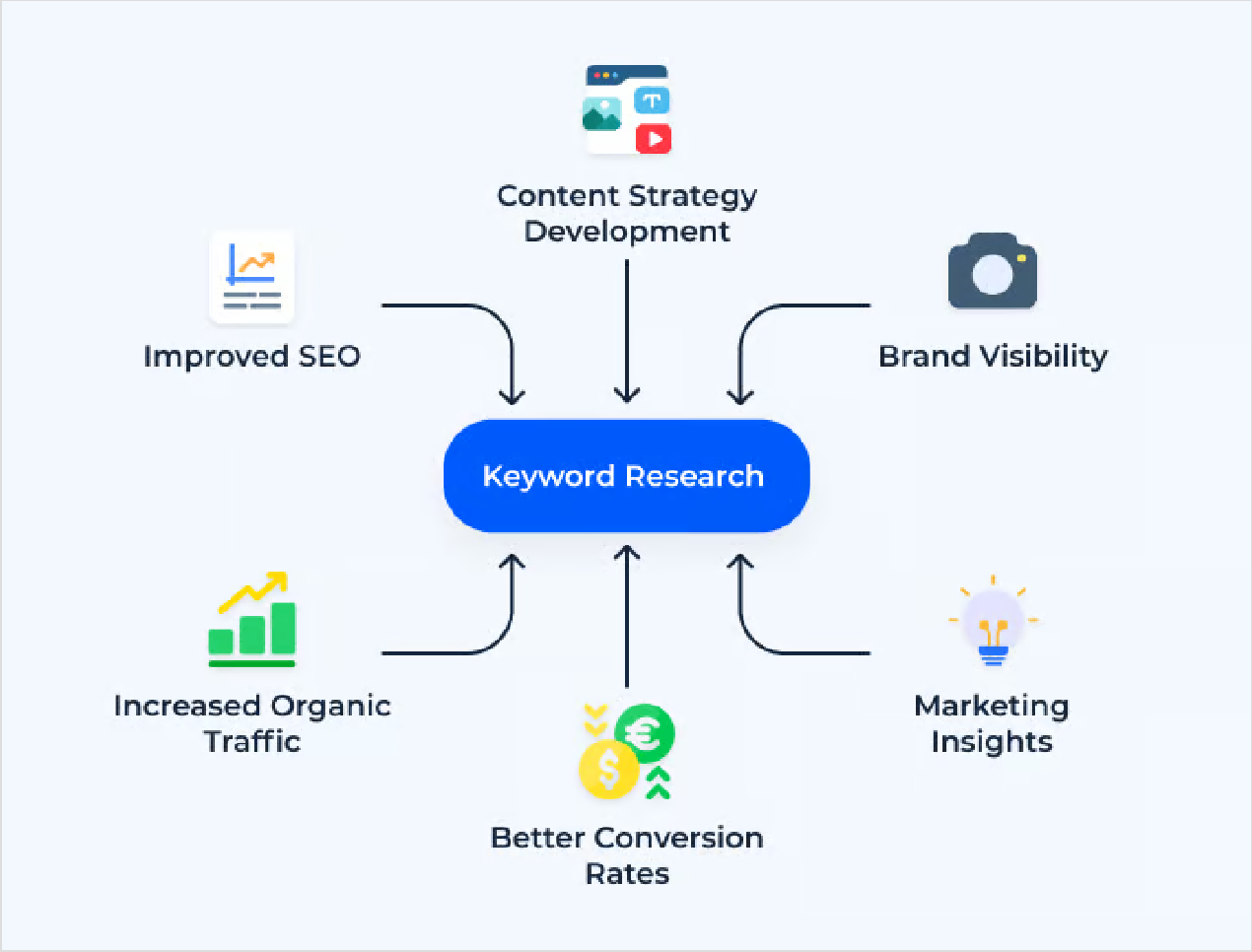
For comprehensive site analysis, consider running an SEO audit to identify technical bottlenecks.
3. The Science Behind Heading Tags (H1-H6)
Heading tags are the skeletal structure of your content. They tell search engines (and readers) what matters most.
The Hierarchy Explained
<h1>Main Page Title - Your Primary Keyword</h1>
<h2>Major Section Topic</h2>
<h3>Subsection Detail</h3>
<h4>Specific Point</h4>
<h5>Minor Detail</h5>
<h6>Least Important Detail</h6>
Heading Tag Best Practices for 2026
H1 Tags:
- Use ONE H1 per page
- Include your primary target keyword naturally
- Keep it between 30-60 characters
- Make it descriptive and compelling
H2 Tags:
- Break content into major sections
- Use variations of your primary keyword
- Include related semantic keywords
- Aim for 3-6 H2s per long-form article
H3-H6 Tags:
- Create logical sub-sections under H2s
- Don't skip hierarchy levels (H2 → H4 is wrong)
- Use natural language, not keyword stuffing
- Think of readers scanning content
4. One Page Website SEO: Special Considerations

One page website SEO friendly approaches require unique strategies since all content lives on a single URL.
Challenges of Single-Page Sites
- Limited keyword targeting opportunities
- Less internal linking structure
- Difficult to rank for multiple topics
- Slower load times with heavy content
Optimization Strategies
1. Anchor Link Navigation
Create a pseudo-sitemap using anchor links to different sections of your page.
2. Section-Based Keyword Targeting
Each major section should target different long-tail keywords:
- Section 1: "affordable web design services"
- Section 2: "portfolio of successful websites"
- Section 3: "contact web designer NYC"
3. Strategic Use of Heading Tags
Single-page sites benefit from multiple H2 sections acting as "page" equivalents.
4. Longer, Comprehensive Content
Since you can't create multiple pages, make your one page authoritative (2,000-5,000 words).
When One-Page Sites Work Best
- Personal portfolios
- Event landing pages
- Product launches
- Simple service businesses
- Creative agencies showcasing style
For businesses requiring complex categorization (like ecommerce), multi-page architecture provides better SEO scalability. Consider leveraging AI SEO services to determine the optimal structure for your specific goals.
5. Building an SEO-Friendly Ecommerce Website
SEO-friendly ecommerce website development presents unique challenges: thousands of product pages, duplicate content risks, and complex site architecture.
Ecommerce-Specific SEO Requirements
A. Product Page Optimization
Each product page should include:
- Unique product descriptions (never copy manufacturer text)
- High-quality images with descriptive alt text
- User-generated content (reviews, Q&A)
- Schema markup (Product, Review, Offer)
- Clear calls-to-action
- Related product internal links
B. Category Page Strategy
Category pages often rank for high-volume commercial keywords:
- Write 300-500 words of unique category content
- Use faceted navigation carefully (avoid duplicate content)
- Implement canonical tags for filtered views
- Create logical category hierarchies
C. Technical SEO for Ecommerce
| Element | Implementation | Impact |
|---|---|---|
| XML Sitemaps | Separate sitemaps for products, categories, blog | Faster indexing |
| Robots.txt | Block filtered URLs, customer account pages | Crawl budget optimization |
| Pagination | Implement rel="next/prev" or "View All" option | Consolidate link equity |
| Out-of-Stock Products | Keep pages live with "Notify when available" | Maintain rankings |
| Product Reviews | Integrate schema markup for star ratings | Rich snippets in SERPs |
📊 Mini Case Study: Ecommerce SEO Success
Company: Mid-sized home goods retailer
Challenge: 5,000 products, poor organic visibility
Solution: Implemented comprehensive SEO overhaul
- Rewrote all product descriptions (unique content)
- Added 200+ blog posts targeting informational keywords
- Optimized technical SEO (speed, mobile, schema)
- Built authoritative backlinks through digital PR
Results After 6 Months:
+312%
Organic traffic increase
+189%
Organic revenue increase
47
Keywords in top 3 positions
1.2s
Average page load time (from 4.8s)
For specialized ecommerce SEO strategies, explore our guide on link building for small ecommerce sites.
6. Google My Business Optimization Strategy
Optimizing your Google My Business (now Google Business Profile) is arguably the highest ROI SEO activity for local businesses.
Why GMB Matters in 2026
📍 Consumer Behavior
86% of consumers look up business locations on Google Maps
🔍 Local Intent
46% of all searches have local intent
📱 Immediate Action
76% of smartphone users visit a business within 24 hours
🎯 Multiple Touchpoints
GMB appears in Maps, local pack, and Knowledge Panel
Complete GMB Optimization Checklist
Essential Steps:
- Claim and Verify Your Listing - 56% of businesses haven't claimed their GMB profile
- Complete Every Profile Section - Business name, categories, address, phone, website, hours, attributes
- Optimize for Local Keywords - Include primary service keywords and location modifiers
- Post Regularly - Share weekly updates, events, offers with high-quality images
- Manage Reviews - Respond to ALL reviews within 24-48 hours
- Upload High-Quality Photos - Minimum 10-15 photos, add new ones monthly
- Leverage Q&A Section - Proactively populate with common customer questions
- Use GMB Insights - Monitor metrics monthly and adjust strategy
Review Response Template:
"Thank you for the 5-star review, [Name]! We're thrilled you enjoyed our [service/product]. Our team works hard to provide [benefit] to customers throughout [location]. We look forward to serving you again soon!"
For businesses seeking expert help, consider working with local SEO agencies specializing in Google My Business optimization.
7. Technical SEO Checklist for 2026
Technical SEO forms the foundation upon which all other optimization builds.
✅ Essential Technical Elements
Crawlability & Indexation
- Submit XML sitemap to Google Search Console
- Create and optimize robots.txt file
- Fix crawl errors and broken links (404s)
- Implement proper redirect chains (301s, not 302s)
- Use canonical tags to prevent duplicate content
HTTPS & Security
- Install SSL certificate (mandatory ranking factor)
- Migrate from HTTP to HTTPS properly
- Fix mixed content warnings
- Implement security headers
Structured Data (Schema Markup)
- Organization schema
- LocalBusiness schema
- Product schema (ecommerce)
- Article schema (blog posts)
- FAQ schema
- Review/Rating schema
- Breadcrumb schema
{
"@context": "https://schema.org",
"@type": "LocalBusiness",
"name": "Your Business Name",
"image": "https://yoursite.com/image.jpg",
"telephone": "+1-555-555-5555",
"address": {
"@type": "PostalAddress",
"streetAddress": "123 Main Street",
"addressLocality": "Boston",
"addressRegion": "MA",
"postalCode": "02101"
}
}
For businesses wanting comprehensive technical optimization, white label SEO services can handle complex implementation.
8. Measuring Success: KPIs That Matter
Don't just track rankings—measure business impact.
Primary KPIs
📊 Organic Traffic Growth
Monitor via Google Analytics 4
🎯 Keyword Rankings
Track with Semrush, Ahrefs, SE Ranking
💰 Conversion Rate
From organic traffic to leads/sales
⚡ Page Speed Scores
PageSpeed Insights, GTmetrix
🔗 Backlink Profile
Referring domains and quality
📍 GMB Insights
Views, actions, calls
Set SMART Goals:
- Specific: Increase organic traffic to product pages
- Measurable: By 50%
- Achievable: Based on keyword opportunities
- Relevant: Aligns with revenue goals
- Time-bound: Within 6 months
9. Common SEO Mistakes to Avoid
⚠️ Critical Errors That Undermine Results
❌ Keyword Stuffing - Using target keywords unnaturally damages readability and triggers penalties.
❌ Ignoring Mobile Optimization - 58% of searches happen on mobile—neglecting this audience is business suicide.
❌ Buying Links - Google's algorithms detect paid link schemes. Focus on earning links through quality content.
❌ Duplicate Content - Canonicalization issues confuse search engines about which page to rank.
❌ Neglecting Local SEO - For local businesses, ignoring GMB and local citations leaves money on the table. Invest in local SEO that delivers real results.
❌ Poor Internal Linking - Your internal link structure distributes authority and helps search engines understand site architecture.
❌ Ignoring Search Intent - Ranking for keywords that don't match user intent generates traffic that doesn't convert.
🙋 Frequently Asked Questions
Q1: How long does it take to see SEO results?
Most websites see measurable improvements within 3-6 months, though competitive industries may require 6-12 months. Quick wins include technical fixes (improving site speed, fixing broken links), while authority building (backlinks, content creation) delivers long-term compound growth. Local SEO often shows faster results—2-3 months for GMB optimization.
Q2: What's the difference between on-page and technical SEO?
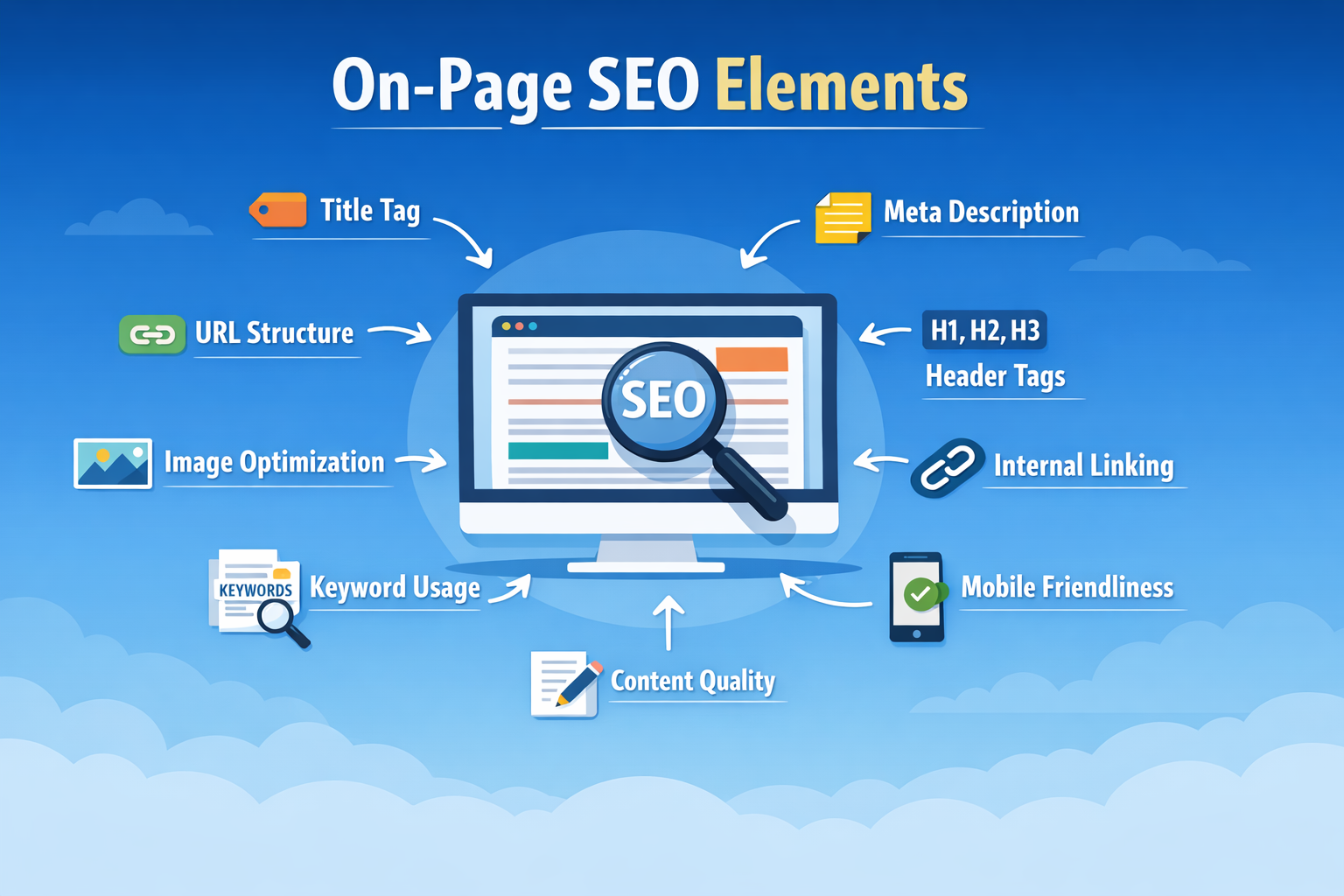
On-page SEO involves optimizing visible content: keyword placement, heading tags, image alt text, internal linking, meta descriptions, and content quality. Technical SEO focuses on infrastructure: site speed, mobile responsiveness, crawlability, indexation, structured data, and security. Both are essential—technical SEO ensures search engines can access your site; on-page SEO tells them what it's about.
Q3: Can I do SEO myself or should I hire an agency?
DIY SEO works for simple websites with basic competition, especially if you're willing to invest time learning. However, complex sites (ecommerce, enterprise, highly competitive industries) benefit enormously from professional expertise. Consider hybrid approaches: handle content creation in-house while outsourcing technical implementation. AI SEO agencies now offer cost-effective solutions using advanced automation.
Q4: Is SEO different for ecommerce websites?
Absolutely. Ecommerce SEO requires: unique product descriptions, category page optimization, review schema implementation, faceted navigation management, product availability handling, and complex internal linking structures. You're also competing for commercial keywords with high competition. Additionally, user-generated content (reviews) becomes a ranking factor, and site speed optimization is critical since every 0.1-second delay can cost conversions.
Q5: How important are backlinks in 2026?
Despite AI advancements, backlinks remain one of Google's top three ranking factors. However, quality vastly outweighs quantity. One link from an authoritative industry publication beats 100 links from low-quality directories. Focus on earning links through: exceptional content, digital PR, expert contributions, original research, and relationship building. Avoid black-hat tactics that can result in manual penalties.
Building Your SEO-Friendly Future
Creating an SEO-friendly website in 2026 isn't a one-time project—it's an ongoing commitment to technical excellence, user experience, and content quality.
Your Action Plan:
- Audit your current site using Google Search Console and PageSpeed Insights
- Fix critical technical issues (speed, mobile, crawl errors)
- Implement proper heading tag hierarchy
- Optimize or claim your Google Business Profile
- Create a content strategy targeting keywords your customers actually search
- Build quality backlinks through valuable content
- Monitor, measure, and iterate based on data
Remember: SEO is a marathon, not a sprint. Start today, stay consistent, and compound results will follow.
Conclusion
The businesses that dominate search results don't just follow best practices—they obsess over details, test continuously, and adapt to algorithm changes. They understand that SEO isn't about gaming systems but about genuinely serving user needs better than competitors.
Whether you're developing a one-page portfolio, launching an ecommerce empire, or optimizing your local business presence, the fundamentals remain constant: fast, mobile-responsive design, strategic heading tag usage, compelling content, and comprehensive Google My Business optimization.